In an increasingly interconnected and interdependent world, the European Union (EU) stands out as one of the most ambitious and complex political and economic partnerships ever attempted. What began as a modest post-war effort to foster peace and economic cooperation between a handful of European countries has evolved into a powerful and wide-reaching institution that affects the lives of over 447 million citizens in 27 member states.
CEFR C1 Level
Understand demanding texts & implicit meaning. Express ideas fluently.
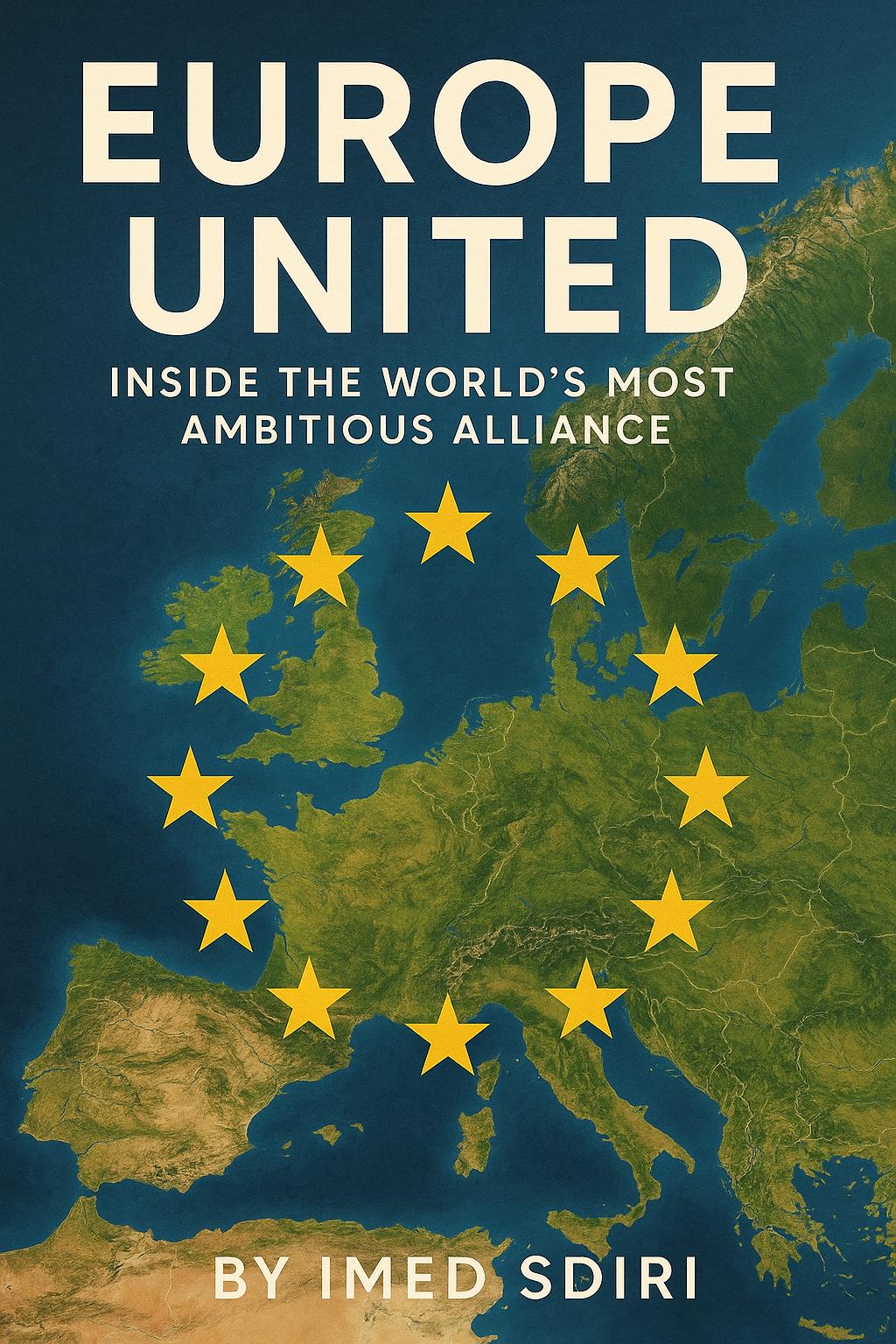
Europe United: Inside the World's Most Ambitious Alliance
A Historical Perspective
The origins of the European Union can be traced back to the aftermath of World War II, a time when Europe was devastated both physically and emotionally. In 1951, six countries—Belgium, France, Germany, Italy, Luxembourg, and the Netherlands—formed the European Coal and Steel Community (ECSC). The idea was simple yet revolutionary: by pooling coal and steel production, two vital resources for warfare, the member states would make future conflicts "not merely unthinkable, but materially impossible."
This initial step was followed by the Treaty of Rome in 1957, which created the European Economic Community (EEC) and laid the foundation for a common market. Over the decades, this economic union gradually transformed into a more comprehensive political entity, culminating in the Maastricht Treaty of 1993, which officially established the European Union.
Institutions and Governance
The EU operates through a unique system of supranational and intergovernmental decision-making. Its main institutions include the European Commission, the European Parliament, the European Council, and the Court of Justice of the European Union.
The European Commission acts as the executive body, proposing legislation, implementing decisions, and managing the EU's day-to-day affairs. The European Parliament, directly elected by EU citizens, shares legislative powers with the Council of the European Union. Meanwhile, the European Council—comprising the heads of state or government of the member states—sets the EU's overall policy agenda. The Court of Justice ensures that EU law is interpreted and applied uniformly across all member states.
This structure is deliberately complex, aiming to balance the interests of large and small countries, northern and southern economies, and national versus European priorities.
Economic Integration and the Single Market
One of the EU's most significant achievements is the creation of the single market, which allows goods, services, capital, and people to move freely across borders. This economic integration has helped increase prosperity and competitiveness, reduce consumer prices, and open up opportunities for businesses and individuals alike.
The introduction of the euro in 1999 as a common currency—now used by 20 member states—was another major milestone. While the euro has simplified cross-border trade and travel, it has also exposed the challenges of having a shared monetary policy without a unified fiscal policy. The Eurozone debt crisis of the early 2010s highlighted the need for stronger economic governance mechanisms, many of which have since been implemented.
Challenges and Controversies
Despite its achievements, the European Union has not been without controversy. The democratic deficit—a term used to describe the perceived lack of democratic accountability within EU institutions—remains a contentious issue. Many citizens feel that decision-making is too far removed from ordinary people and overly dominated by technocrats in Brussels.
Additionally, the EU has faced criticism over its handling of migration, particularly during the refugee crisis of 2015, when hundreds of thousands of people fled conflicts in Syria, Afghanistan, and other regions. The uneven distribution of migrants and asylum seekers among member states revealed deep divisions and tested the limits of European solidarity.
Perhaps the most dramatic challenge came with the United Kingdom's decision to leave the EU—popularly known as Brexit. This unprecedented move, formalized in 2020, sparked debates across the continent about sovereignty, identity, and the future direction of the Union.
The EU and the Global Stage
Beyond its internal dynamics, the EU plays an important role on the global stage. As a major economic bloc, it is a key player in international trade, climate negotiations, and development aid. The EU has championed multilateralism, human rights, and environmental sustainability, often acting as a counterbalance to other global powers.
In fact, as the EU looks ahead, it faces a series of interlinked challenges and opportunities that will shape its evolution in the coming decades. These include accelerating its green and digital agendas, redefining its borders and identity, enhancing its autonomy, and strengthening its regional partnerships.
1. Green and Digital Transitions
The EU is navigating two transformative shifts: environmental sustainability and digital innovation. These transitions require massive investments, cross-border coordination, and legislative innovation. Ensuring equitable progress is also essential, as these changes must not deepen existing disparities across the Union.
2. Enlargement and Institutional Reform
The aspiration of countries such as Türkiye, Ukraine, Moldova, and those in the Western Balkans to join the EU has reignited discussions around enlargement. Admitting new members, especially from countries with a population that is predominantly Muslim, necessitates institutional reforms related to governance, voting mechanisms, and budget allocation. Moreover, it challenges the EU to revisit its foundational values, reshape its mindset, and redefine its long-term identity.
3. Strategic Autonomy
The concept of strategic autonomy has gained prominence amid global power shifts and supply chain vulnerabilities. To reduce reliance on external actors, the EU must bolster its technological base, enhance energy independence through renewables, and coordinate defense efforts more effectively. While NATO remains vital, the EU is investing in its own capacity to act independently, reinforce its resilience, enforce its choices, and protect its interests.
4. Relations with the Southern Mediterranean
A critical but often underemphasized dimension of the EU's future is its relationship with southern Mediterranean countries. Currently characterized by mistrust and limited engagement, this relationship exposes both sides to instability and unanticipated disruptions. Deepening cooperation through fairer trade, better immigration policies, educational exchange, and inclusive development programs could promote stability, prosperity, and mutual trust.
A Cohesive Approach
These interconnected priorities require a holistic and forward-looking strategy. Success will depend on the EU’s ability to act collectively while respecting national differences, and to adapt without losing sight of its founding principles of unity, peace, and solidarity. Crucially, strategic autonomy does not mean isolation or protectionism. On the contrary, it entails building resilient systems that allow the EU to cooperate confidently on the global stage while safeguarding its own interests and values.
Conclusion
The European Union is a living experiment in regional integration, characterized by both remarkable successes and ongoing struggles. It is a union forged from the ashes of conflict, to alternatively ensure peace, prosperity, and well-being for all the peoples of Europe. While far from perfect, it remains an essential framework for cooperation in a complex and rapidly changing world.
For teenagers and adults seeking to understand the EU, it is important to look beyond the headlines and engage with the deeper questions it poses about democracy, identity, and the balance between national interests and collective action.
At its core, the EU stands as a testament to wisdom and reason—a striking example of how former enemies, who once inflicted deep harm upon one another, have become strong allies. By choosing unity over division, they now prioritize the interests of their citizens and work collectively toward shared values and goals. They have come to realize that unity is not just an ideal, but a strategic necessity for strength and success in the modern world.
As the EU continues to evolve, its story is far from over. Indeed, its next chapters will be written not only by policymakers in Brussels but also by the ambitions and fears of all European citizens who live within its borders.