Rising dramatically from the plains of North Africa, the Atlas Mountains stretch across Morocco, Algeria, and Tunisia, forming a natural barrier between the Mediterranean coast and the Sahara Desert. These rugged highlands are not only a geological marvel but also a cradle of human history, cultural richness, and ecological diversity. For centuries, they have shaped the destinies of civilizations, protected vital ecosystems, and inspired generations.
CEFR C1 Level
Understand demanding texts & implicit meaning. Express ideas fluently.
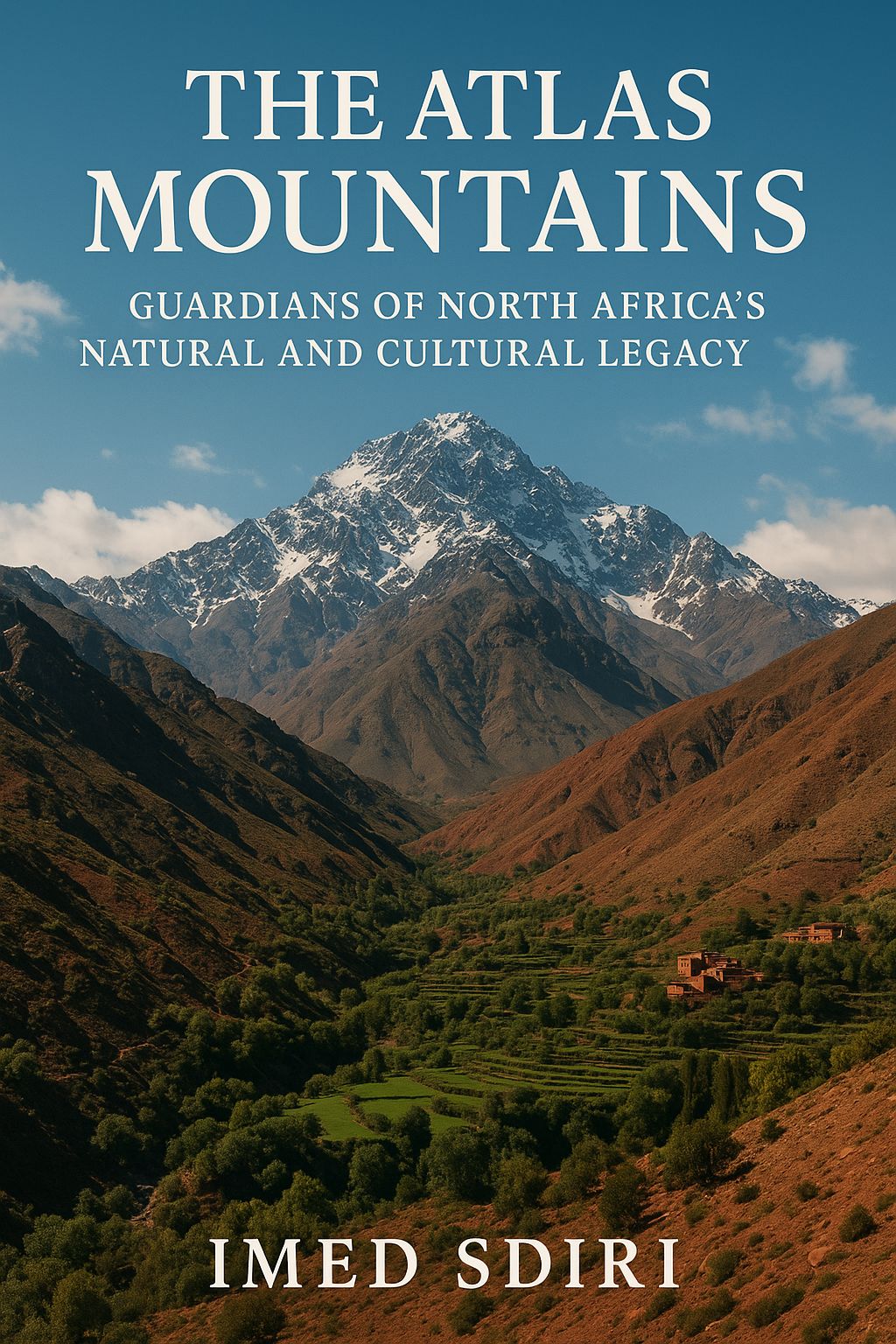
The Atlas Mountains: Guardians of North Africa's Natural and Cultural Legacy
A Geological Wonder
The Atlas Mountains were formed tens of millions of years ago by the collision of the African and Eurasian tectonic plates. They consist of several distinct ranges: the High Atlas, Middle Atlas, and Anti-Atlas in Morocco; the Tell and Saharan Atlas in Algeria, which includes the Aurès and Nememcha Mountains; and the Dorsale, or Tunisian Atlas, which includes the Kroumirie Mountains. Each sub-range has unique geological features and climates, from snow-covered peaks to fertile valleys and semi-arid plateaus.
In Morocco, Jbel Toubkal stands as the highest peak in North Africa at 4,167 meters, attracting hikers from across the globe. Algeria is home to the high peaks of the Djurdjura range, such as Lalla Khedidja, and Mount Tahat in the southern Hoggar Mountains. In Tunisia, Jebel ech Chambi is the highest point and is part of the Tebessa Mountains. These mountains play a crucial hydrological role, capturing rain and snow that replenish rivers and aquifers, which are essential for agriculture and drinking water for the surrounding arid regions.
An Ecological Treasure
The Atlas Mountains rank among North Africa’s most important biodiversity hotspots, supporting a rich mosaic of ecosystems—from lush cedar forests and alpine meadows to arid scrublands. In Morocco, Ifrane National Park is renowned for its expansive cedar woodlands, which shelter the endangered Barbary macaque. Algeria’s Chréa and Tassili n'Ajjer National Parks harbor a remarkable diversity of flora and fauna, including the iconic Atlas cedar. In Tunisia, the cork oak forests of the Kroumirie Mountains—particularly in El Feija and Ain Soltane—form a unique ecological zone that remains a sanctuary for the Barbary stag, the only native African member of the deer family.
The botanical diversity is equally impressive. Medicinal herbs, aromatic plants, and endemic flora like the Atlas cedar are vital to the ecological balance and are integral to local pharmacology and culinary traditions. While conservation efforts are in place, these fragile environments face serious threats from illegal logging, overgrazing, and climate change.
A Home to Deep-Rooted Cultures
The Atlas Mountains are not just a geographical feature; they are a living museum of North African history, where layers of civilization have converged for millennia. The story of its people is etched into the landscape, from prehistoric rock art found in high plateaus to the resilient communities of today. Long before the rise of great empires, ancient peoples left their traces here, adapting to the rhythms of the mountains.
Over the centuries, the region witnessed the influence of Carthaginians, who established trade networks, and the Romans, who built outposts and roads, yet the rugged terrain ensured that the core culture of the mountains remained distinct. The highlands often served as a sanctuary, allowing local traditions to endure even as coastal areas were more directly absorbed into the empires of the time.
With the arrival of Arab-Islamic civilization, a new cultural and spiritual dimension was introduced. While Islam became a unifying faith, the people of the Atlas integrated it into their own long-standing customs and created a unique synthesis of beliefs and practices. This ability to absorb and adapt, while fiercely preserving a sense of self, is a defining characteristic of the region.
Thus, the culture of the Atlas Mountains represents a third pillar of North African identity, standing as a proud counterpart to the influences of the Mediterranean Sea to the north and the Sahara Desert to the south. While the sea connected the region to global trade and ideas, and the desert fostered a nomadic spirit of resilience, the mountains cultivated a legacy of independence, deep-rooted tradition, and a profound connection to the land.
In villages perched on steep slopes or nestled in green valleys, skilled artisans craft intricate carpets, pottery, and silver jewelry. Oral traditions such as songs, legends, and poetry are passed down through generations, preserving this rich and layered history. Seasonal festivals and communal rituals still reflect this unique heritage, as they continue to showcase a profound relationship with the land and its cycles.
Economic Lifelines and Challenges
Agriculture is a cornerstone of the economy in the Atlas Mountains, especially in the fertile valleys and on terraced hillsides. Farmers cultivate cereals, olives, dates, and various fruits and vegetables using traditional methods well-suited to the terrain. In recent decades, tourism has become an important economic contributor, particularly in areas like Morocco's Ourika Valley and the town of Imlil, a gateway to Jbel Toubkal.
However, economic development is not uniform, and many mountain communities face challenges, including limited access to education, healthcare, and modern infrastructure. To seek better opportunities, some, especially young people, migrate to coastal cities. This trend poses challenges to the sustainability of traditional practices and the future of mountain livelihoods.
Climate and Environmental Change
The Atlas region is experiencing noticeable impacts of climate change. Rainfall patterns are becoming more erratic, snow cover is diminishing, and prolonged droughts are straining water resources and agricultural systems. These environmental shifts threaten both biodiversity and the livelihoods of the mountain communities. Water scarcity is a growing concern, especially during the peak demand of the summer months. Traditional water management systems are still in use but require maintenance and modernization to remain effective in these changing conditions.
Cultural Resilience and Revival
Despite the pressures of modernization and migration, there is a growing appreciation for the importance of preserving the cultural heritage of the Atlas Mountains. Cultural centers and festivals celebrating local traditions are gaining momentum across Morocco, Algeria, and Tunisia. These initiatives strengthen community identity and create opportunities for cultural tourism and education.
Furthermore, many younger people are showing renewed pride in their heritage, taking steps to document oral histories, promote traditional crafts, and implement sustainable agricultural practices. Women’s cooperatives have become especially effective agents of cultural and economic renewal, blending heritage preservation with income generation.
Future Prospects
The Atlas Mountains are at a pivotal point. As North Africa addresses the challenges of economic development, climate adaptation, and cultural preservation, the mountains present both opportunities and warnings. Sustainable eco-tourism, renewable energy projects such as micro-hydropower and solar farms, and inclusive education can empower mountain communities while safeguarding their heritage and environment.
Cooperation between governments and civil society is essential to ensure that development does not lead to ecological degradation or cultural loss. With thoughtful policies and grassroots engagement, the Atlas Mountains can continue to be what they have always been: guardians of natural beauty, cultural heritage, and human resilience.